

Adding a mini split to a Nebraska home with a furnace
One form replaces the calls you'd make to find a mini split pro.
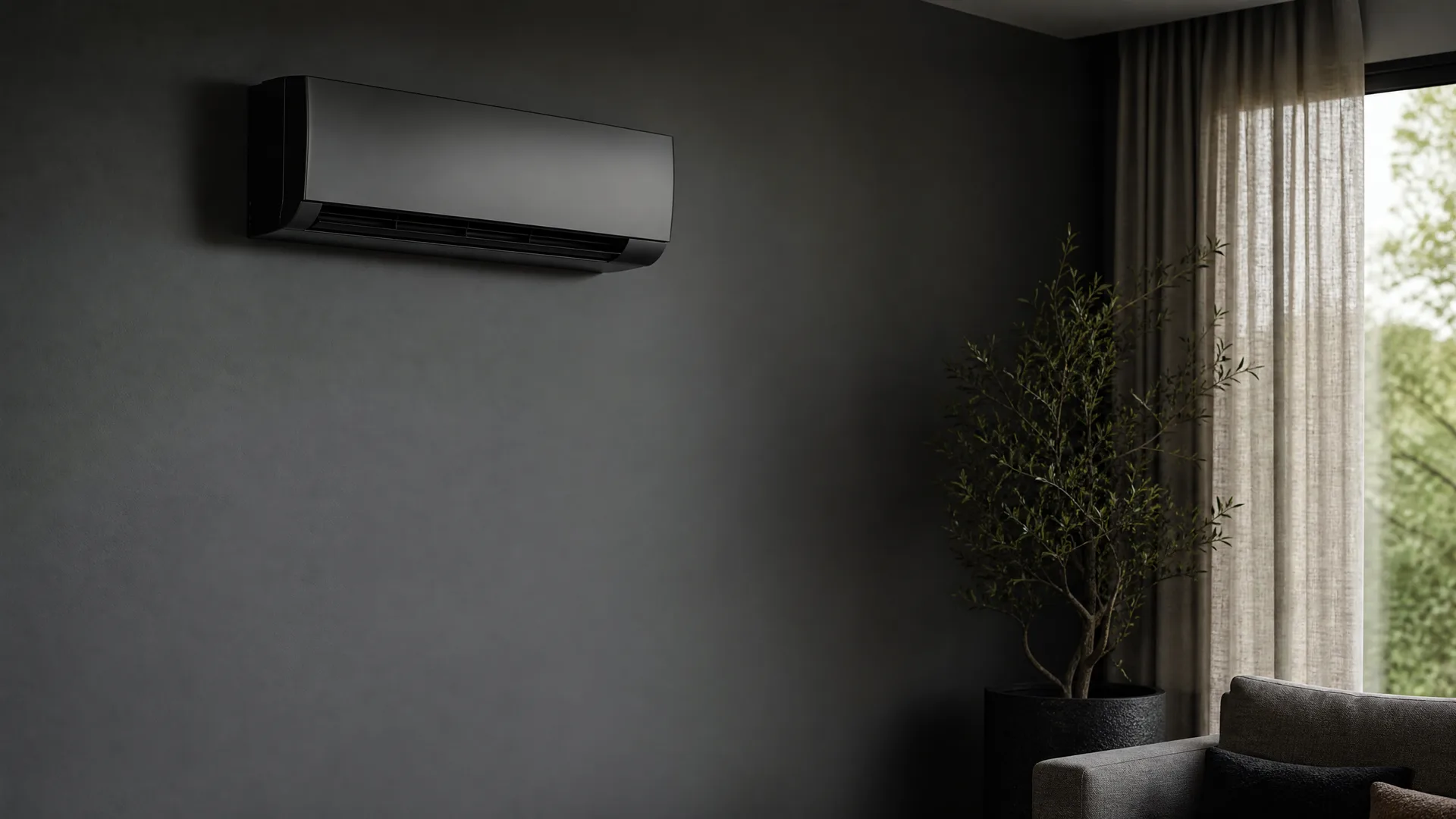
Describe it onceA mini split works alongside your furnace instead of replacing it. Your furnace keeps heating the house in the cold months, and the mini split handles cooling in the room or zone it's installed in, which takes pressure off your central AC during Nebraska's sticky summers. Some homeowners also run the mini split's heat pump side for mild fall and spring days, switching back to gas furnace heat once temperatures drop low enough that a heat pump loses efficiency. The two systems don't need to talk to each other. Each has its own thermostat and controls, and the furnace's ductwork stays exactly as it is. The work involved is mounting an outdoor condenser, running refrigerant line to an indoor unit, and tying into an electrical circuit sized for the equipment. Where that line runs, where the indoor unit sits, and whether your electrical panel has room for the new circuit are things worth having a contractor walk through before installation day.






Getting a mini split in the wall is a different job than people expect. The outdoor compressor needs its own circuit, not a tap off whatever your furnace or central AC is already using. Sizing comes from the room itself, how much heat it gains and loses, not a square footage chart. A tech runs the line set and condensate drain through a small hole in the exterior wall, usually under three inches across, then mounts the indoor head high enough on the wall with clearance on both sides so the air can actually move through it. Before any refrigerant goes in, the lines get vacuumed down to pull out moisture and air. Skip that step and the compressor wears out early. Last comes the wall penetration itself: sealed and insulated, because a gap there lets humid air sit against the copper and sweat, which is the kind of thing that shows up as a problem a year or two later, not on install day.
How a mini split install actually goes
- A mini split installer runs a line set of refrigerant tubing and a condensate drain through a small hole in the exterior wall, usually three inches or less.
- The outdoor compressor unit needs its own dedicated electrical circuit, separate from anything your furnace or central AC already draws from.
- Correct sizing is done by calculating the room's heat gain and loss, not by matching tonnage to square footage off a chart.
- The indoor head gets mounted high on the wall with a few inches of clearance on each side so air can pull in and push out without stalling.
- Refrigerant lines have to be vacuumed down to pull out moisture and air before the system is charged, or the compressor wears early.
- Where the line set exits the house gets sealed and insulated, since a gap there lets humid outside air reach the copper and sweat.


Skip calling around
Finding someone who installs mini splits correctly, and does it alongside an existing furnace without the two systems fighting each other, usually means hours of calling around. You'd be explaining your setup over and over, getting quotes that are hard to compare because nobody measured the same way, and hoping whoever shows up has actually run a line set through a Nebraska exterior wall before and sized a dedicated circuit for the compressor. That search goes away here. Your request goes to one licensed contractor local to you, not a handful of companies competing for the job, so your phone isn't ringing off the hook for the next week. Someone who installs these every season in homes that heat with gas knows where a bad install usually shows up first, and what it takes to get yours right from the start.
Why the hole size matters
That three inch hole is the only new opening in your wall, and it's small enough that a careless install can still get it wrong. Pitch it the wrong way and condensate backs up into the room instead of draining outside. Pack it loosely and you've given mice and cold air a way in. A clean install seals around the line set tight, slopes the drain the right direction, and leaves you with one small, weatherproof opening instead of a spot you have to think about every winter.
Why the circuit matters
Nebraska's power rates are low, which is part of why a mini split pencils out well here even running alongside a gas furnace. But that only holds if the outdoor unit is wired correctly from the start. A dedicated circuit sized to the compressor's actual draw keeps it from tripping breakers or straining a circuit that's already carrying something else. Get that wrong and you'll see nuisance shutoffs on the hottest, muggiest days of the year, which is exactly when you need the thing running.
Power costs 12.05 cents per kilowatt-hour statewide
At 12.05 cents a kilowatt-hour, running a mini split for cooling costs less here than in most states. It's a cheap way to take the load off your central AC in the room it serves, without your electric bill telling you about it.
EIA-861 2025 statewide residential average
Getting the install right
- A mini split added onto a furnace works when the line set, drain, and electrical circuit are each done right, not just the indoor unit mounted.
- Nebraska summers are humid enough that a poorly pitched drain line shows up as a wet wall or a dripping unit within a season.
- A local installer who works on these systems every summer knows which wall cavities and electrical panels in this area tend to cause problems.
- Matching with one licensed local contractor means you explain your setup once instead of repeating it to several companies.
- Your furnace keeps running the heat exactly as it does now, and the mini split only takes on the cooling load where it's installed.
- Getting the install right the first time is what keeps the unit quiet and draining properly for years instead of needing a callback.
A mini split added onto your furnace splits the work the way it should. Your furnace keeps heating the house the same as always. The mini split takes the cooling load off your central AC in whatever room or zone it's installed in, and that's a real help during a Nebraska summer. None of that holds up if the install itself is off. The line set has to run clean through that small hole in the wall, the drain has to pitch the right way, and the outdoor unit needs its own circuit. Skip any of that and you end up with a wet wall, a dripping unit, or a breaker that trips when you least want it to.
This is where having one licensed local contractor matters more than it sounds like it should. Someone who installs these in this area every summer has already seen which wall cavities give trouble and which electrical panels need extra attention before a circuit gets added. You explain your setup once, to one contractor, and they already know the kind of problems that show up on homes like yours instead of learning on the job. That's different from fielding calls from several companies and re-explaining your furnace and your walls to each one.
Done right, the unit mounted on your wall stays quiet, keeps draining the way it's supposed to, and doesn't need a callback a year later. That's the whole goal. The furnace handles winter. The mini split handles the room that needs help in summer. And the install is what decides whether that arrangement holds up or causes you grief.
Describe it once
Your request goes to one pro, not a list of companies.