

Does a mini split lower heating bills in Nebraska
Will a mini split actually lower my heating bill in Nebraska?
You've got a mini split in the house and gas heat running the rest of it, or maybe the mini split covers a room the furnace doesn't reach well. Winter's coming and you want to know if running that mini split is actually going to show up as savings, or if it's just another appliance pulling power while the gas bill stays the same.
It depends on what you're heating with it now
A mini split moves heat instead of making it, so it uses less energy per degree than a gas furnace does per therm. But most homes in Nebraska already heat with gas, and gas here is priced low, so swapping your main heat source for a mini split usually doesn't beat what you're already paying. Where a mini split saves you money is in the rooms your furnace struggles to heat evenly, a bonus room, a finished garage, an addition. Running the mini split there instead of a space heater or an overworked furnace zone is where the savings actually show up. Used that way, alongside your gas system rather than instead of it, a mini split lowers what you'd otherwise spend keeping those spaces warm.

Nebraska summers run humid, with the dew point averaging 61°F across June, July and August, NOAA climate data shows. That's the kind of air that feels heavy even when the temperature itself isn't extreme. A mini split handles that load by pulling moisture out of the air as it cools, and you'll notice it in how the room feels, not just the number on the thermostat. Come winter, that same unit runs in reverse, pulling heat from outside air into the house. It won't show up on this card, but the summer side tells you the equipment is sized to work hard here, year round.
NASA POWER T2MDEW county cells weighted by homes
Is the mini split actually saving you anything this winter
You run the mini split on the coldest mornings and watch the gas furnace kick on anyway a few minutes later. That's the usual pattern once it gets cold enough. A mini split heats a room well right down to a point, then its output drops off and the furnace picks up the rest of the load. If you're setting the mini split low and letting the furnace carry most of the house, you're paying for two systems to do one job. If the mini split covers a room the ducts never heated well, that's different. The gas bill tells you what's happening either way. Check it against last winter before you decide the mini split is pulling its weight.
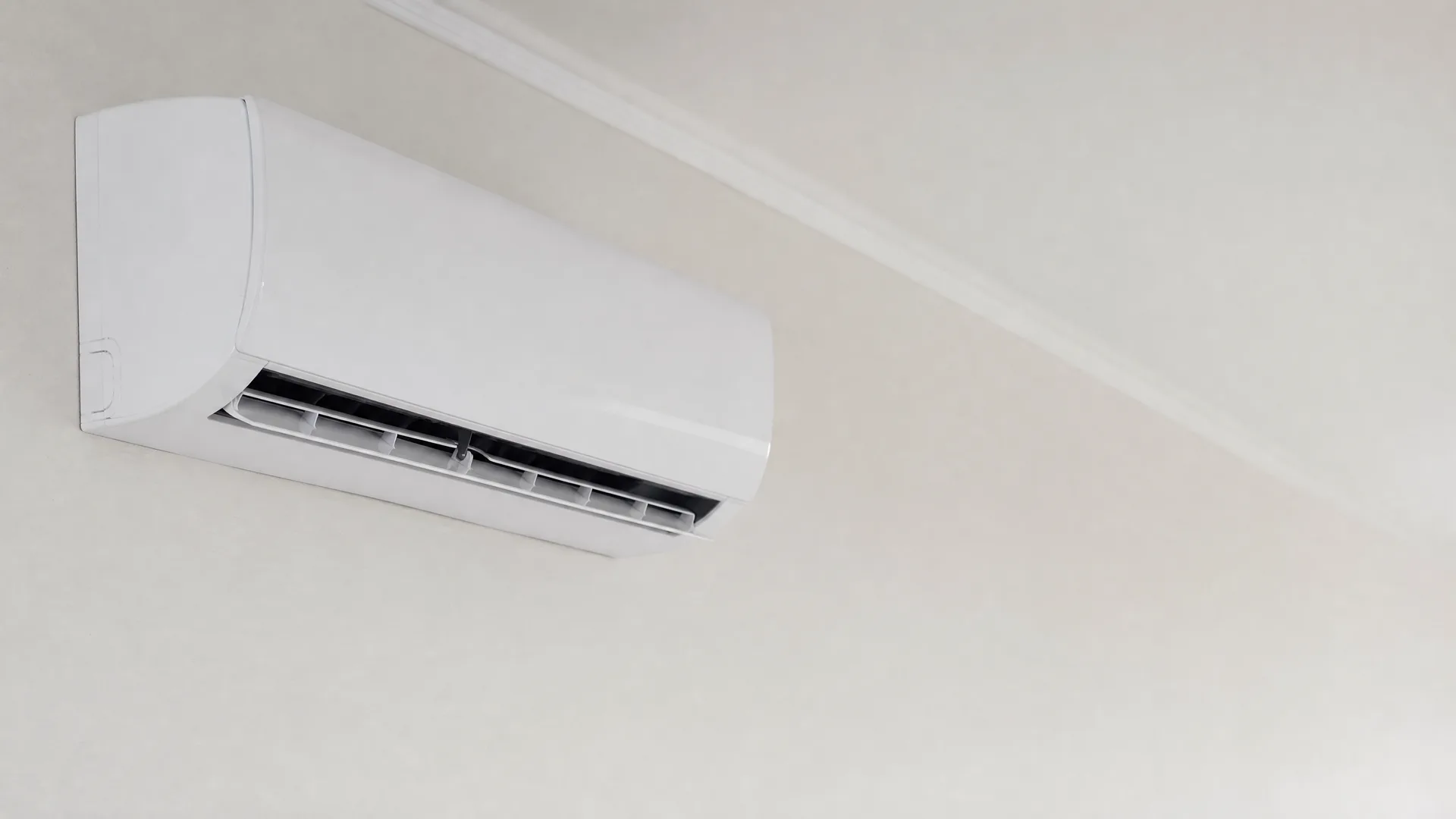
Gas as the main heat source
Your furnace moves warm air through the whole house from one source. It doesn't care how cold it gets outside, within reason, and it doesn't lose capacity the way a mini split does once temperatures drop hard. Gas is also priced differently than electricity here, and that split in pricing is part of why furnaces stay cheap to run through a Nebraska winter. The furnace is built for the whole house, not one room, and that's the job it does.
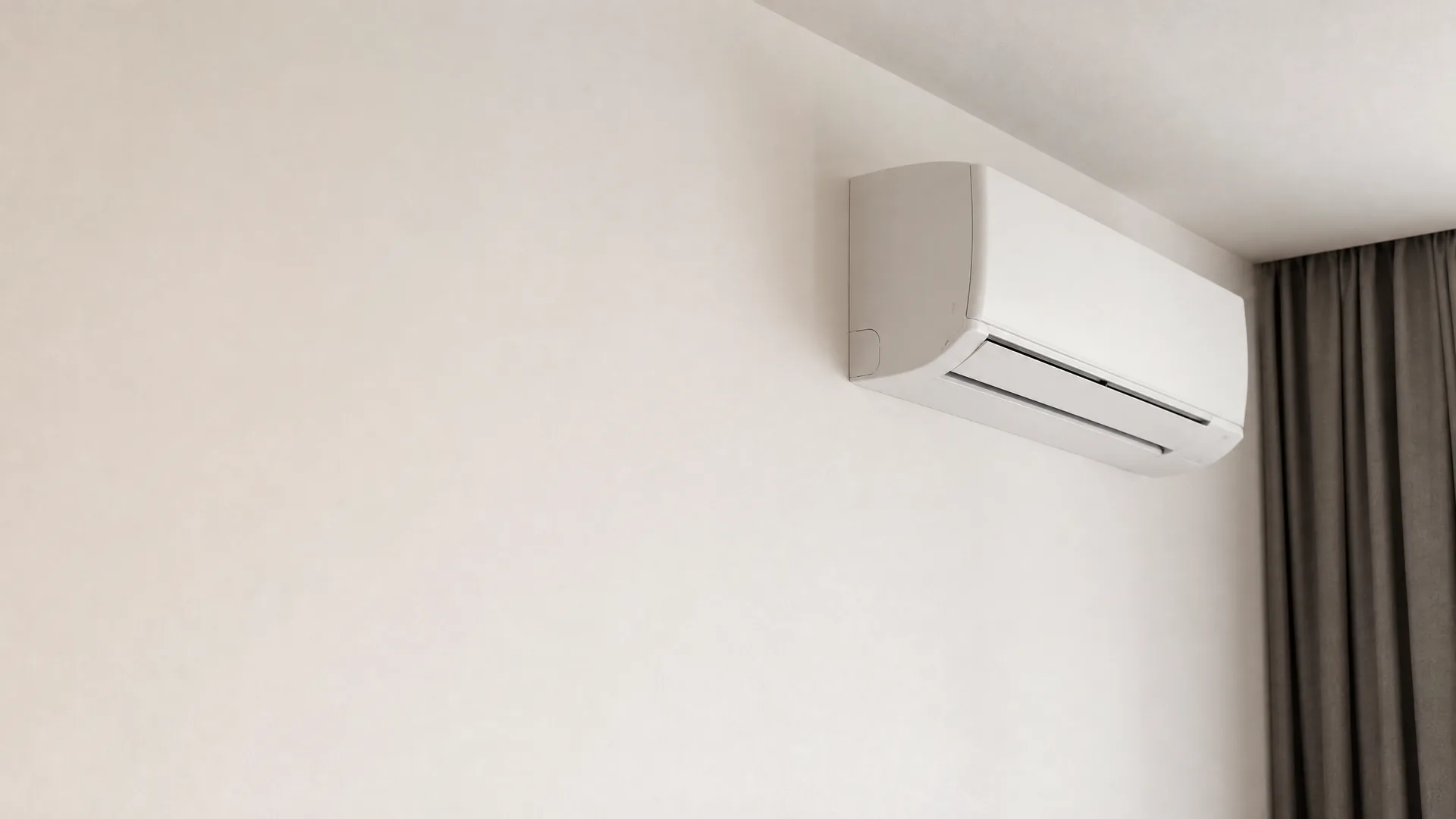
Mini split as the backup
A mini split earns its keep in the rooms your ductwork treats poorly, a finished basement, a bonus room over the garage, an addition the furnace barely reaches. Run it there and you take load off the furnace for that one space without touching the thermostat for the rest of the house. Once outdoor temperatures drop into the teens and below, most mini splits lose efficiency, and that's when the furnace should carry the room instead.
Power costs 12.05 cents per kilowatt-hour statewide
At 12.05 cents per kilowatt-hour, running the mini split on mild days costs you less than you'd expect. That rate makes it a reasonable pick for stretches above freezing, before the gas furnace has to carry the load alone.
EIA-861 2025 statewide residential average




Get your mini split to the right pro
You've already seen where the mini split helps and where the gas furnace takes back over. The question left is whether it's worth sorting out which rooms to run it in and when, instead of just letting the furnace handle everything by default. That sorting is easy to put off, especially once it's cold and you'd rather not experiment with the thermostat to find out. A contractor who works on mini splits in Nebraska homes can look at your setup and tell you where it's actually pulling weight on the bill and where it's not worth running. You don't have to figure that out on your own, and you don't have to keep guessing through another cold snap. Send the request and let someone who does this look at your specific rooms, your specific furnace, and tell you straight whether the mini split is earning its keep or just running alongside the gas bill you're already paying.
Where the mini split actually helps
- A mini split lowers your heating bill on mild days, roughly above freezing, when it can carry a room without strain.
- Below freezing, a mini split loses capacity and the gas furnace ends up doing most of the work anyway.
- Gas stays the cheaper fuel for whole-house heating once temperatures drop hard through a Nebraska winter.
- At 12.05 cents per kilowatt-hour, running the mini split on those milder mornings still costs less than most people assume.
- Pairing the two, mini split for mild stretches and single rooms, furnace for the cold snaps, is what actually saves money.
- Running the mini split as your only heat source through a full Nebraska winter will cost you more, not less.
So the answer depends on how cold it gets outside and which rooms you're heating. On a mild morning, above freezing, the mini split can carry a room on its own and do it cheaply at 12.05 cents per kilowatt-hour. Once the temperature drops hard, the unit loses capacity and the gas furnace has to pick up what's left, which means you're paying for both and saving on neither. Gas is still the cheaper fuel for heating the whole house through a Nebraska winter, and that doesn't change no matter how efficient the mini split is on a good day. The homes that come out ahead are the ones using the mini split for what it's good at: a room the furnace doesn't reach well, or the stretches of the season that stay above freezing. Treat it as your only heat source for the full winter and the bill goes the wrong direction, because it's working hardest exactly when it's least efficient. The furnace was sized to carry the house through the cold snaps. The mini split was never meant to replace that, only to take some of the load off it on the days that don't need it. Run them that way, each one covering what it's suited for, and the combination costs less than either one running alone. Run the mini split alone through January and you'll see it on the power bill.


The right pro for this job
A mini split can trim your heating bill on the mild days, and at 12.05 cents per kilowatt-hour it's a fair trade while temperatures sit above freezing. Once it gets colder, the gas furnace is still your cheaper option and the one doing most of the work. Getting both running at the right times, in the right rooms, is a setup question more than a guessing game. A contractor who knows Nebraska winters can look at your place and tell you how to split the load. Send the form and that part stops being yours to figure out.
One request ends the search for a mini split installer.
Asking costs nothing, and the choice to hire stays yours.