Profile view of a bearded man wearing a dark baseball cap and a dark gray T-shirt against a plain off-white background.

Mini split making noise in Bellevue, NE

Step 1 of 3: Equipment

A mini split that's buzzing, clicking, or rattling is usually telling you something about a loose part, not a failed one. A clicking sound when it starts or stops is often just the relay switching on, and that's normal. A buzzing sound points to a loose panel or a fan blade hitting something inside the indoor or outdoor unit. A rattling noise from the outdoor unit often means a stick or ice has gotten into the fan cage, which matters here once winter sets in and that outdoor unit sits out in the cold and snow around Bellevue. A hissing sound is a different matter. That can mean refrigerant escaping from the line, and it means the system will lose cooling or heating capacity until it's fixed. A grinding or screeching sound usually means a fan motor bearing is wearing out. None of these noises are safe to ignore for long, since most get louder and the part behind them keeps wearing down until it fails.

Why does this noise matter more in Bellevue?

  • Cooling runs June through September

    Your mini split runs cooling June through September, so a loose part rattling now has four straight months to work itself worse.

  • Heat runs October through May

    Heat runs October through May here, meaning the same unit carries noise complaints most of the year, not just in summer.

  • Power here costs 12.85 cents per kilowatt-hour

    At 12.85 cents per kilowatt-hour, a mini split straining against a loose part or worn fan blade still adds to the bill while it runs rough.

NOAA nClimDiv 1991-2020 · EIA-861 2025

The noise stays the same

Some rattles don't change. You hear the same click at startup or the same hum once the compressor settles in, and it sounds the same today as it did last month. That's usually a fan blade close to the housing, a panel that was never quite seated, or a relay doing what relays do. It's worth a look so it doesn't wear into something worse over a long cooling run, but it isn't the sign of a unit about to quit on you. Mention it when a contractor is already out for something else if you'd rather not make a separate call.


The noise is getting worse

Other times the sound changes on you. The click turns into a grind, the hum turns into a squeal, or a new noise shows up that wasn't there before. That's a part wearing against something it shouldn't, a motor bearing going dry, or refrigerant moving somewhere it isn't supposed to be. A change in pitch or volume over a few days means the problem is progressing, not settling. That's the kind of noise worth getting looked at before the unit has to work through another stretch of Nebraska heat or cold carrying it.

A woman with wavy blonde hair wearing a grey knit cardigan over a green top sits on a sofa in a living room, looking off to the side.
A woman with long brown hair in a cream knit sweater sits on a light sofa in a living room, looking toward a window with sunlight on her face.
A woman in a gray sweater sits in a chair in a living room with a dark sofa, wooden coffee table with a potted plant, and a staircase behind her, looking toward a window.
A smiling woman with dark hair in an updo, wearing a gray ribbed turtleneck sweater, sits on a light sofa in a living room and looks off to the side.

Where These Noises Come From

  • The indoor unit's blower wheel can pick up dust or a loose fan blade, which shows up as a rhythmic clicking tied to fan speed.
  • A gurgling sound usually means refrigerant moving through the line set, which is normal right after the compressor starts or stops.
  • A hissing noise at the indoor head can mean refrigerant escaping past the expansion valve, which calls for a gauge check, not a guess.
  • The outdoor compressor sits on rubber feet, and if one has worn out or shifted, the whole unit can buzz against the pad underneath it.
  • A metal-on-metal grinding from the outdoor fan usually means the motor bearing is wearing out and the blade is starting to wobble.
  • Mounting bolts on the indoor head loosen over time, and a bracket that isn't flush against the wall will rattle every time the compressor cycles.

Every sound your mini split makes traces back to a specific part doing something specific. The indoor unit holds a blower wheel that pushes air across the coil, and dust buildup or a bent fan blade throws it off balance, which you hear as a click that speeds up or slows down with the fan itself. Inside the line set, refrigerant changes from liquid to gas as the compressor starts and stops, and that movement makes a gurgle that comes and goes on its own. That's different from a hiss at the indoor head, which points to refrigerant escaping somewhere it shouldn't, usually near the expansion valve, and that needs a gauge on the line to confirm rather than an ear against the wall. Outside, the compressor unit rests on rubber isolation feet made to absorb vibration. When one of those feet wears flat or slides off the pad, the cabinet itself starts buzzing against whatever it's sitting on. The outdoor fan motor runs on a bearing, and like any bearing, it wears down over years of spinning. Once it does, the fan blade loses its true path and starts hitting the housing, which sounds like metal grinding on metal. Indoors, the mounting bracket holding the head to the wall has bolts that can work loose over seasons of the unit cycling on and off. A bracket that's no longer flush lets the whole unit shift slightly every time the compressor kicks on, and that shift is what you're hearing as a rattle.

A smiling older woman with gray shoulder-length hair in a cream cable-knit turtleneck sweater stands behind a wooden board holding a round loaf of bread, in a warmly lit kitchen with a dark window and shelves behind her.
A woman with dark hair in a bun sits wrapped in a chunky knit blanket on a couch with a child resting his head on her shoulder, eyes closed, beside a lit lamp and bookshelf indoors.

Get matched with a mini split pro in Sarpy County

Send the request today and let a mini split pro reach out to you.

No charge to send it. You decide if you hire them.

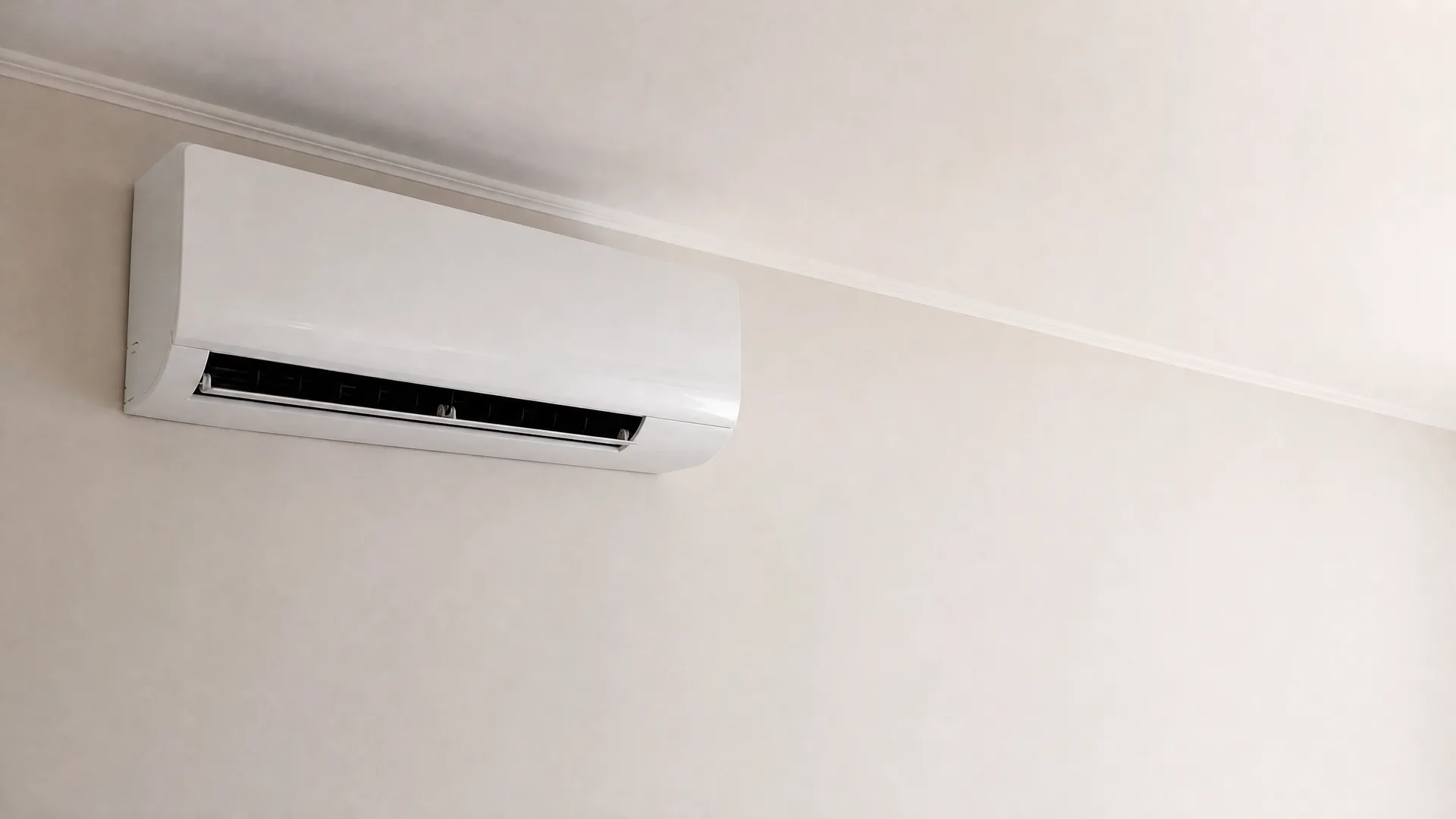
A white wall-mounted mini-split air conditioner indoor unit installed high on a plain beige wall near the ceiling.

Where the outdoor unit sits matters

A compressor mounted on a wall bracket carries sound into the framing behind it, so a rattle that would be minor on a slab reads louder inside the house. If the outdoor unit sits close to a bedroom wall or under a window, a loose fan blade or a panel screw that backed out will carry further than the same part would on a unit set away from the house on its own pad.

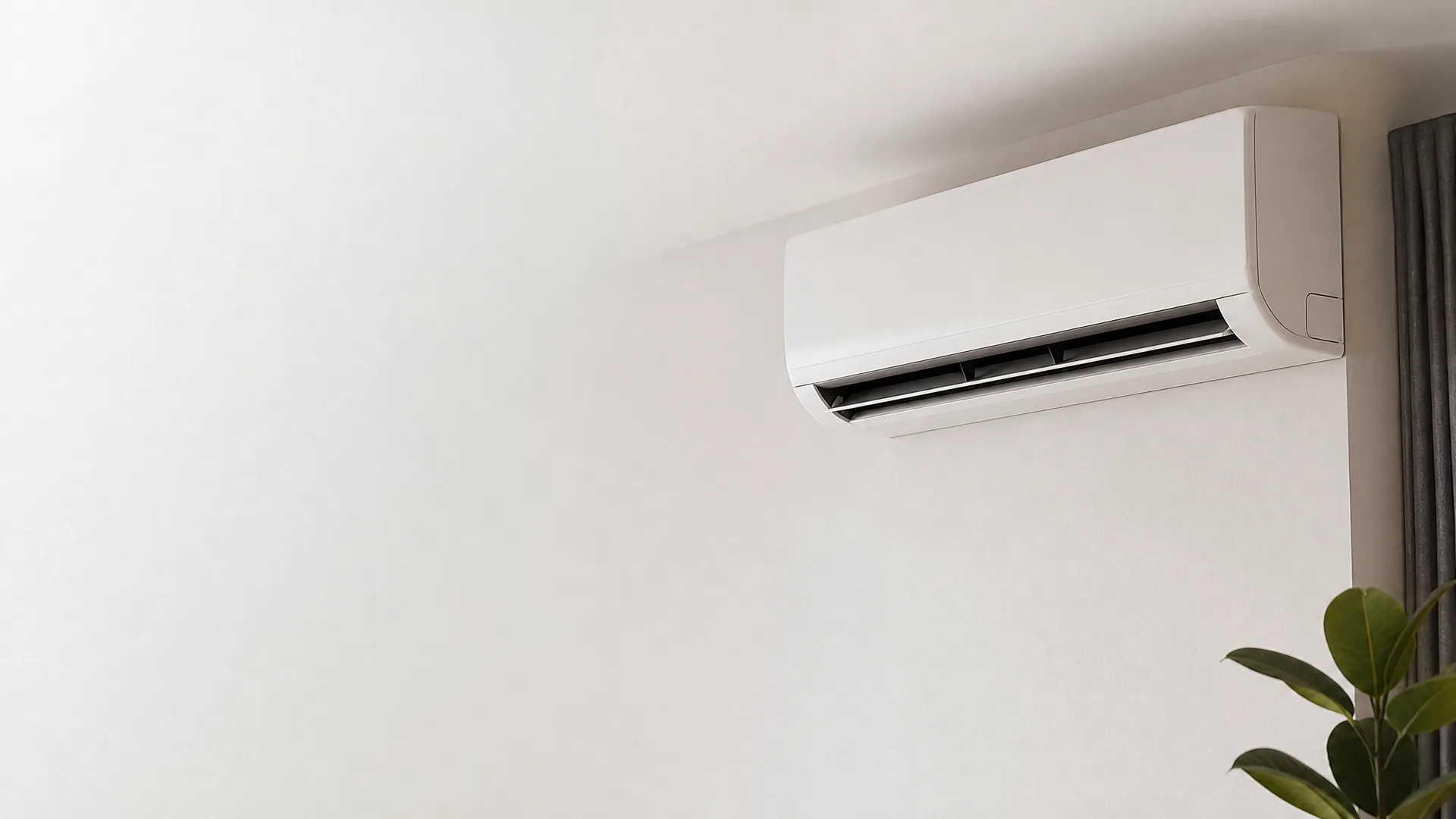
A white wall-mounted mini-split air conditioner unit near the ceiling of a plain white wall, with a gray curtain at the right edge and green plant leaves in the lower right corner.

What the line set tells you

The line set running between the indoor and outdoor units carries refrigerant and a signal of its own. A gurgle or hiss right after the compressor cycles on or off is refrigerant moving through the line, and that's expected. A hiss that continues steady, not tied to startup or shutoff, points to pressure escaping somewhere it shouldn't, which is worth having a contractor check before the unit works harder to keep up.

Call Now or Wait It Out

Call now

  • A rattle that's gotten louder since you first noticed it usually means a part has worked itself looser, and that trend doesn't reverse on its own.
  • If the noise comes with weak airflow or the unit short cycling, something beyond a loose panel is going on and it's worth a look before summer or winter puts more hours on it.
  • A grinding or scraping sound from the outdoor unit can mean a fan blade is hitting something, and running it that way risks the motor or the blade itself.
  • A new noise paired with ice on the line set or water where it shouldn't be isn't cosmetic, and waiting lets whatever's wrong keep working on the unit.
  • If the sound changes pitch or gets sharper when the compressor kicks on, that's the compressor itself talking, and it's not a part you want to guess about.

Keep an eye on it

  • A click at startup or shutdown that's been there since day one and hasn't changed is normal and doesn't need a visit on its own.
  • A steady hum once the compressor settles in, with no other symptoms, is just the unit running and worth noting but not acting on.
  • Gurgling right after the system starts or stops is refrigerant moving through the line set, which is expected and not a sign of a leak.
  • If the noise is the same today as it was last month and comfort and airflow haven't changed, it's reasonable to watch it through the season.
  • A loose panel or cover that rattles only at certain fan speeds is usually minor and can often wait until you're having something else looked at.
  1. The compressor kicks on and ramps up speed

  2. Refrigerant moves out through the line set

  3. A loose part starts vibrating against the housing

  4. Vibration carries into the wall or window frame nearby

A white wall-mounted mini-split air conditioner installed high on a beige interior wall near the ceiling molding, with a light curtain and curtain rod at the left edge.
A quiet unit like this still ticks and hums a little when it starts or stops, and that's the compressor and relay doing their job.
A wall-mounted mini-split air conditioner indoor unit with a discolored cream plastic casing and dusty outlet vanes, installed high on a plain light-colored interior wall near the ceiling.
A yellowed case with dust built up front usually means the filter and coil haven't been cleaned in a while, and the noise often started around the same time.

A mini split rarely fixes its own noise. A loose panel or fan blade tends to work itself looser, not tighter, and the sound you hear in week one is usually quieter than the sound in week six. In Bellevue that matters because the unit doesn't get a break. It runs cooling from June through September and heat from October through May, so whatever's loose has months to keep moving. That's time for a minor rattle to turn into a part that's shifted enough to affect airflow, and time for whoever sleeps or works near the indoor unit to live with it. The vibration behind the noise is often the same thing driving up what the unit costs to run, since a part that isn't seated right makes the system work harder to do the same job. None of that reverses by waiting. Catching it while it's still a loose screw or a dirty blower wheel is a smaller job than catching it after a winter of running on it.

What that noise costs you

  • A rattle that gets worse through a Bellevue summer can leave your mini split running loud through every muggy afternoon from June to September.
  • Ignoring a loose panel or fan blade now often means paying for a more involved repair once the part wears further or shifts out of place.
  • A noisy indoor unit in a bedroom or living room wears on whoever is trying to rest or work near it, especially once the heat is on for months at a stretch.
  • A unit that's rattling loud enough to notice is often also running less efficiently, since the same vibration usually points to a part not seated the way it should be.
  • Letting a new noise go unchecked through the winter means it's had October through May to get worse before you call anyone about it.
  • A sound that changes pitch or gets louder over a few weeks usually means the part behind it has moved again since you last noticed.
A dusty white wall-mounted mini-split air conditioner installed high on a beige interior wall below a molded ceiling trim.
Before you get your mini split repair
A white wall-mounted mini-split air conditioner unit installed high on a light gray interior wall near the ceiling, with a white-framed window and green foliage visible at the left edge.
After you get your mini split repair
A two-story house with beige horizontal siding, stone veneer at the base, dark shingled gable roofs and a concrete walkway leading to the front door, set behind a patchy green lawn under a clear blue sky.

Summer air in Sarpy County holds a dew point around 63°F, heavy enough that your mini split spends more time pulling moisture out of the air, not just cooling it. That extra work keeps the compressor and fan running longer on humid afternoons, and a loose part that only ticked once in a while in May can turn into a steady rattle by July. You'll likely notice it most in the evening, when the unit's been running for hours and the noise has had all day to settle into a pattern. Source: NOAA climate normals for Sarpy County.

NASA POWER T2MDEW

A woman stands in the open front doorway of a single-story house with stone and wood siding while a man in a dark polo shirt and cap walks toward it along a concrete path.

Most mini split noise points to something loose, not something broken

A click at startup, a hum once the compressor settles in, a gurgle in the line set after a cycle ends. All of that is a mini split working the way it's built to work. What's worth paying attention to is a rattle that's changed, gotten louder, or shown up alongside weak airflow or short cycling. That's a loose part or a failing one, and it won't fix itself over a Bellevue summer.

If that's where you are, the next step isn't figuring out which part it is yourself. It's getting a contractor who works on mini splits in Sarpy County looking at yours, matched to what you've described and reaching out to you directly. You've already done the hard part by noticing the sound changed. The rest is off your plate once you send the form.

A large weathered ceramic vase and a shallow wooden bowl sit on a rustic wooden table beside a window with linen curtains, with a blurred sofa with cushions and a hanging fabric panel in the background.
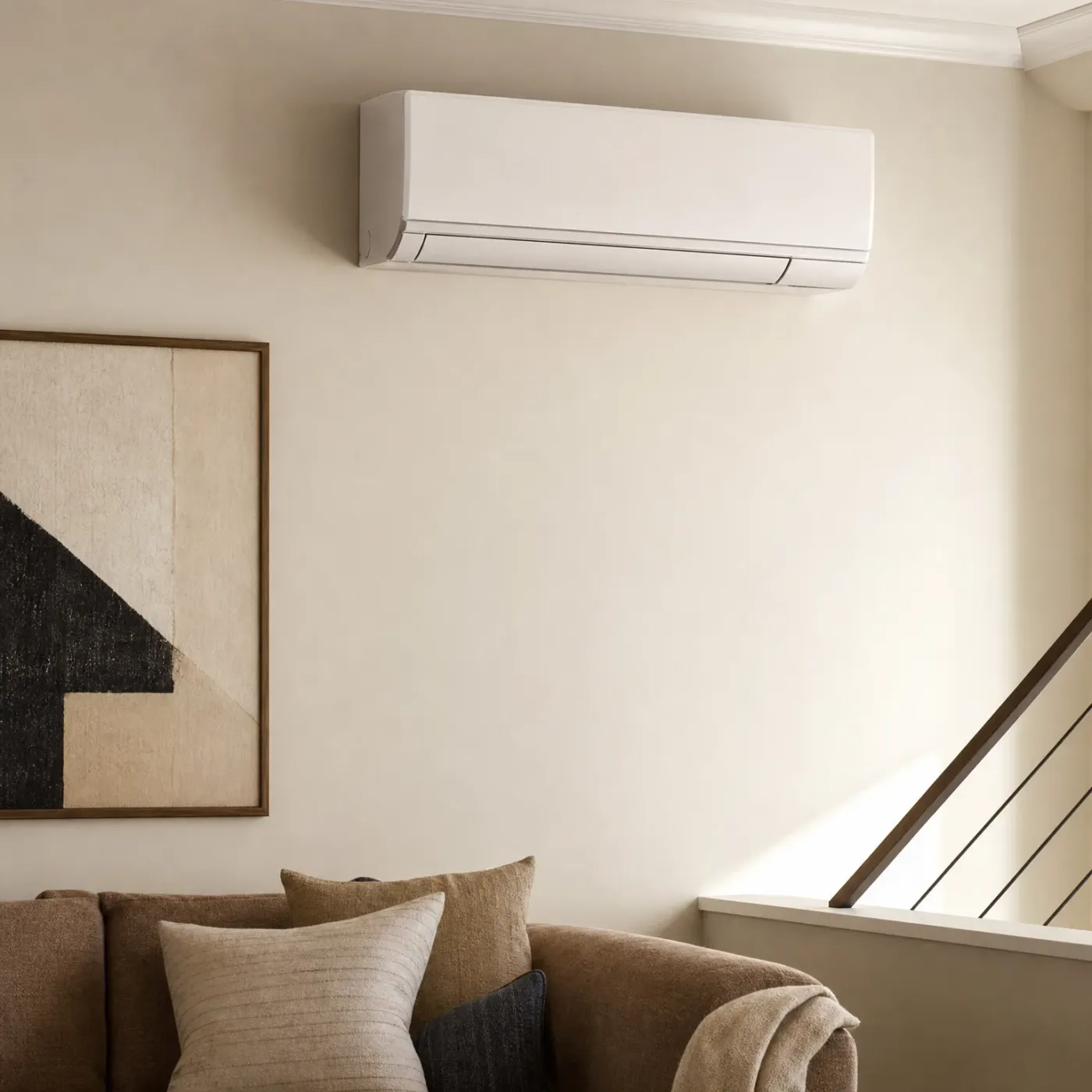
A white wall-mounted mini-split indoor unit high on a beige interior wall, above a brown sofa with cushions and a throw, beside a framed abstract artwork and a stair railing.

Find a mini split repair pro in Sarpy County

Get a local pro

Get the mini split repair search off your mind today.

There's no charge for the request.