




Mini split not cooling in North Platte, NE

Connect with a pro

A mini split that won't cool through a North Platte summer usually isn't a mystery to someone who works on these systems all season. The outdoor unit, the indoor head, the line set between them, each has its own common failure, and a tech who sees this equipment in Lincoln County regularly can usually tell you where to look before pulling a single panel. Guessing at it yourself, or paying for a visit from someone unfamiliar with mini splits, tends to cost more time than it saves. This page connects you with one licensed local contractor suited to your system, not a handful of companies competing for the job. That means one call back, from someone who already knows the kind of unit you have and what tends to go wrong with it locally. Tell them what your mini split is doing, or not doing, and let them take it from there.

A mini split that won't cool usually comes down to one of a few things. The outdoor compressor unit can't shed heat if the coil outside is caked with cottonwood fluff or cut grass, and summers here push it hard enough that a dirty coil shows up fast. A clogged air filter inside the head starves airflow the same way, so the room never gets cold even though the unit runs. Low refrigerant from a slow leak in the line set is another common cause, and it often shows up as ice forming on the indoor coil instead of cold air coming out. A failing capacitor or compressor keeps the outdoor unit from running at all, which you'd notice as the fan spinning with no cooling behind it. Some of these you can check yourself, like the filter. Others, like a refrigerant leak or a bad capacitor, need someone who works on these systems to find and fix.

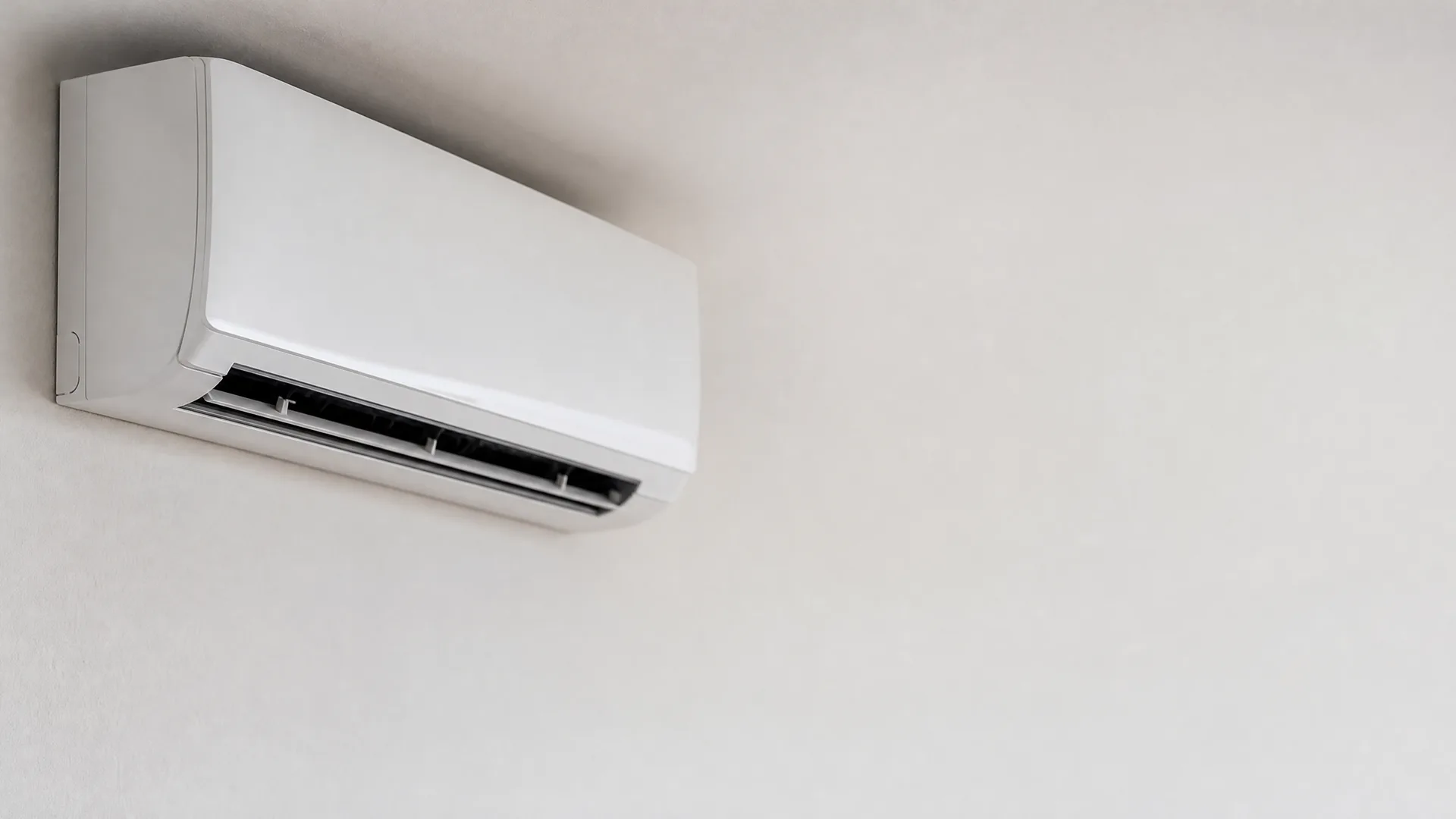
A white wall-mounted mini-split air conditioner indoor unit on a plain light-colored wall, with empty space to the right.

Why the outdoor coil matters most

The outdoor unit is how a mini split dumps heat from your house into the air outside. Fins on that coil need open airflow to do it. Cottonwood fluff, cut grass and dust mat down over a summer and the unit can't shed heat fast enough, so the indoor head blows air that isn't cold. A tech checks that coil before looking at anything electrical, because it's the most common reason a system runs but doesn't cool.

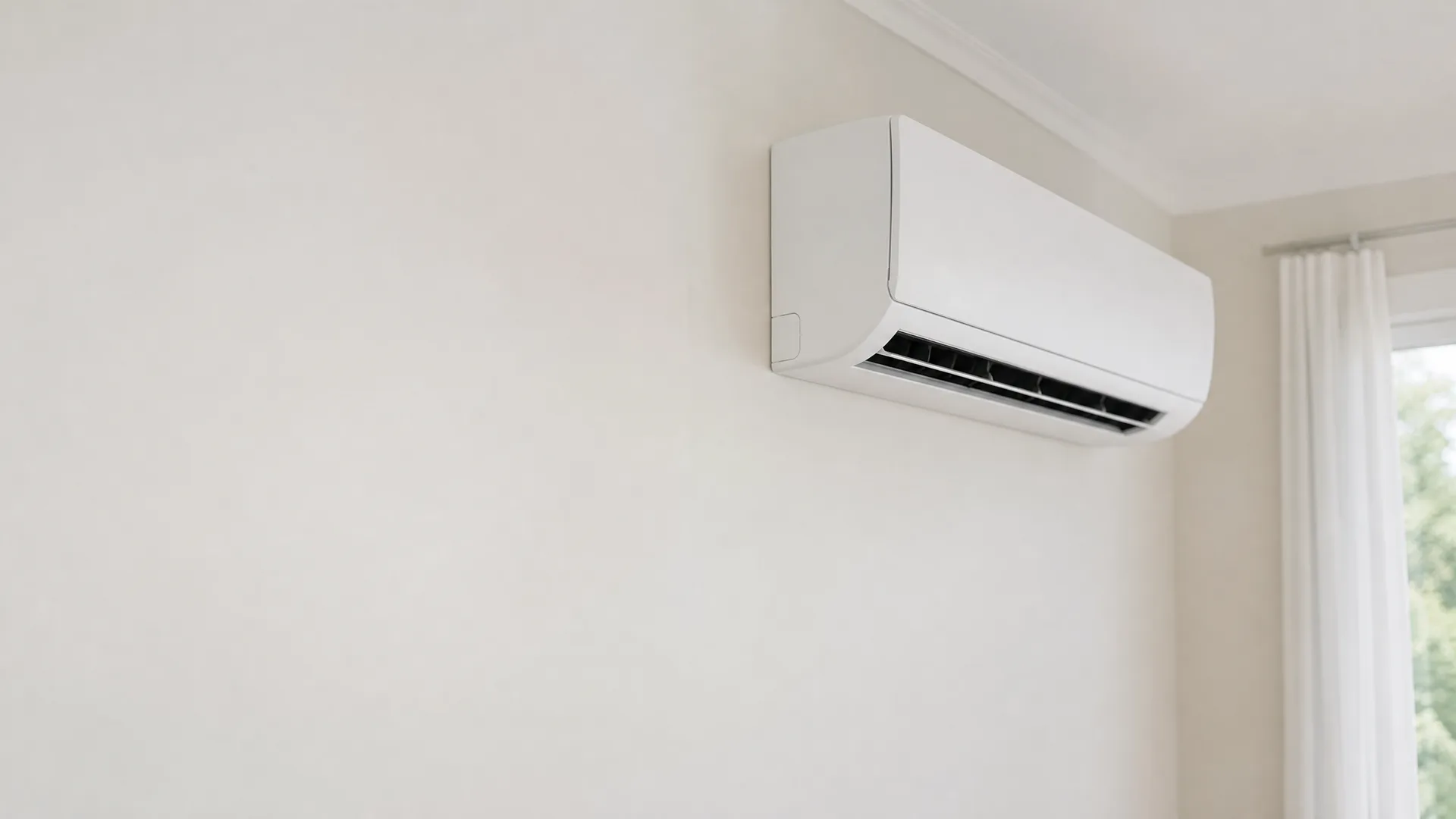
A white wall-mounted mini-split air conditioner on a plain light-colored interior wall, with a sheer white curtain and window with green foliage at the right edge.

What a clogged line set does

Refrigerant moves between the outdoor unit and the indoor head through a line set, and it has to stay sealed to work right. A slow leak drops the charge low enough that the system still runs but can't pull heat out of the room. A tech checks line pressures and looks for oil residue at the fittings, since a leak usually shows itself there before it shows up anywhere else.

Why does a mini split in North Platte have to work so hard in summer?

  • Cooling runs June through August

    Cooling runs June through August. Three months isn't long, so when the unit struggles, it's usually working against a dirty coil or low charge, not old age.

  • Heat runs October through May

    Heat runs October through May. Most of the mini split's year is spent idle in cooling mode, which is exactly when dust and debris settle into the outdoor unit unnoticed.

  • Power here costs 11.86 cents per kilowatt-hour

    Power here costs 11.86 cents per kilowatt-hour. A mini split losing efficiency from a dirty coil or weak charge still draws power, it just cools less for it.

NOAA nClimDiv 1991-2020 · EIA-861 2025

A woman in a cream cowl-neck sweater stands in a lamp-lit room looking out a window at a snow-covered yard with shrubs and bare trees at dusk.
A woman in a gray turtleneck sweater stands near a large window in a lamp-lit living room, looking out at falling snow and snow-covered conifers.
A woman in a chunky knit sweater stands by a large window looking out at snow-covered ground, with a dimly lit living room containing a gray sofa, framed artwork, shelves and table lamps behind her.
A woman in a gray turtleneck sweater stands in a dimly lit living room with a lamp and bookshelves, looking out a multi-pane window at falling snow.

Repair the Unit or Replace It

Call for Repair

  • A unit blowing warm air in July usually means a dirty outdoor coil, a low charge, or a clogged line, and all three get fixed without replacing anything.
  • A licensed tech local to Lincoln County can often diagnose the problem same day and have the system cooling again before the next hot stretch.
  • Repair costs far less than replacement when the compressor and indoor head are both sound and the problem is airflow or refrigerant.
  • If the unit is only a few years old, repair protects the investment you already made rather than starting over.
  • A single bad part, like a failed capacitor or a blocked condensate line, doesn't mean the whole system is failing.

Consider Replacement

  • If the outdoor unit has needed the same repair more than once in a season or two, that's a pattern worth asking the tech about directly.
  • A compressor failure on an older unit often costs close to what a new system would, so repair stops making sense at that point.
  • Newer systems handle Lincoln County summers with less strain, since the coil and compressor are built for current refrigerant and efficiency standards.
  • If the line set or indoor head was damaged, not just the outdoor unit, a tech can tell you whether patching it will actually hold.
  • Replacement makes sense when you're also changing how a room is used, since a new unit can be sized for that space instead of the old one.
A white wall-mounted mini-split air conditioner unit installed high on a beige interior wall below white crown molding, with a window and woven shade at the left edge showing green foliage outside.

The indoor head when it's keeping up

Air moves out of the vents and the room actually cools. The coil inside stays clean enough that nothing blocks the airflow. A unit running right doesn't look dirty or stained, just quiet and doing its job near the ceiling.


A dusty, stained white wall-mounted mini-split air conditioner indoor unit installed high on a plain off-white interior wall near the ceiling.

The indoor head when it's falling behind

Dust built up on the housing like this is usually matched by dust on the coil behind it, and a dirty coil can't pull heat out of the air the way a clean one does. If the air coming out feels weak or barely cool, this is often why.

A bearded man in a plaid flannel shirt stands indoors looking out a window at snow-covered conifers, with a ceramic mug on the wooden sill and wooden cabinets behind him.
A smiling man in a dark blue T-shirt sits on a light gray sofa in a living room with a wooden shelf and window behind him, with a laptop edge visible in the foreground.
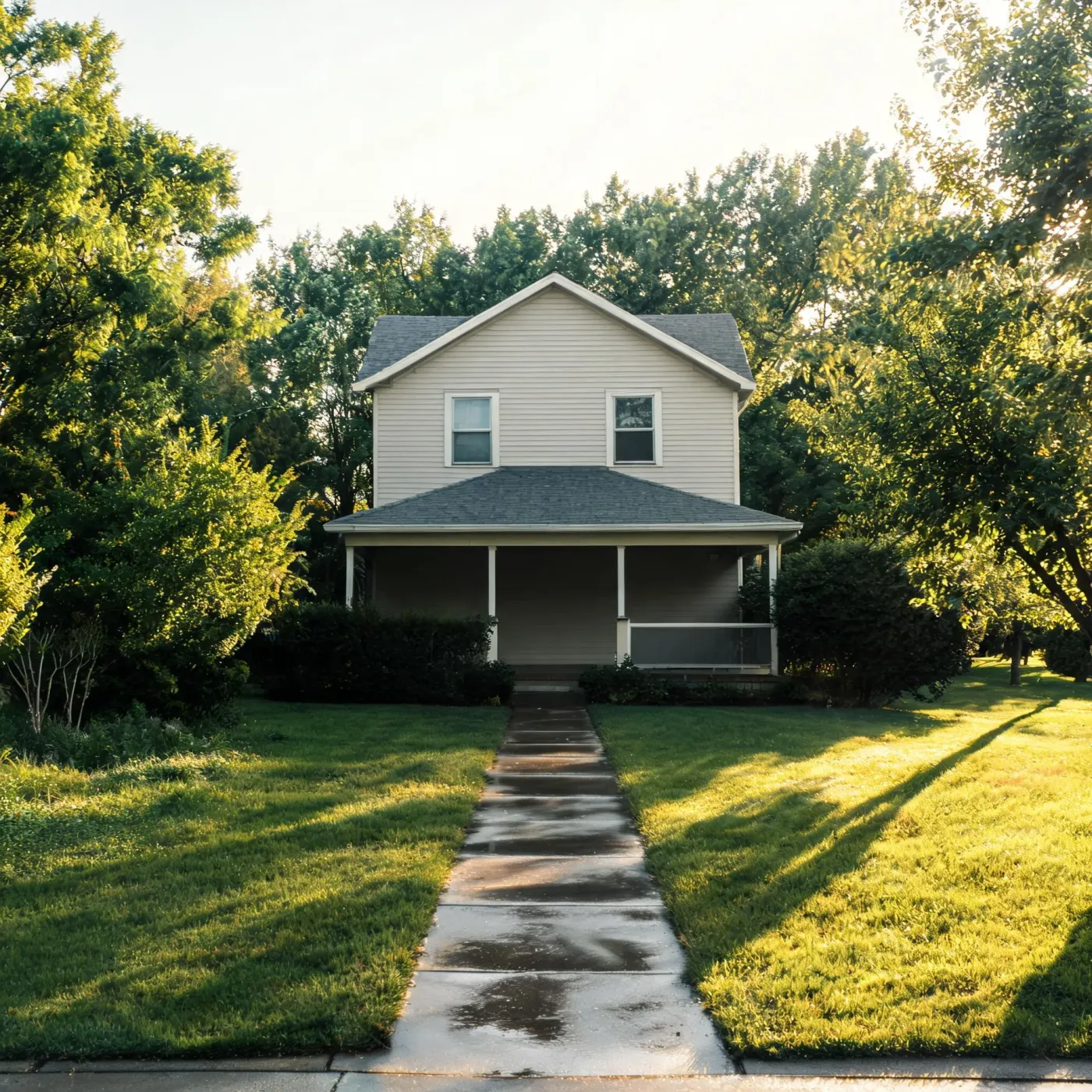
A two-story cream-colored house with a covered front porch and gray shingled roof, fronted by a concrete walkway crossing a green lawn, with large leafy trees on both sides in late-day light.

The air here doesn't feel as heavy as it does further east. Summer dew points in Lincoln County average 57°F across June, July and August, according to NOAA climate data, which is on the dry side as these things go. That matters for a mini split because a dry air conditioner doesn't have to fight to pull moisture out of the air before it can cool it. If your unit is blowing warm anyway, the dew point tells you it's not fighting humidity, so something in the system is actually wrong: a dirty coil, a low charge, a stuck part. A contractor who works on these units all over Lincoln County every summer has a good idea which one it is before they even get to your house.

NASA POWER T2MDEW

Get matched with a mini split pro in Lincoln County

A mini split that quits cooling in the middle of a North Platte summer doesn't wait for a convenient week to do it, and most homeowners can't tell a low charge from a clogged line just by looking at the unit. Someone who services this equipment all over Lincoln County every summer has usually seen the exact fault your system is showing, because the coils, the line sets and the compressors fail the same handful of ways across the whole area. That's the kind of read on the problem that saves a second visit. Filling in the form below sends your situation to one licensed contractor working near North Platte, not a handful of companies competing for the job, so the person who calls you back already knows what they're walking into. If your head is running but the room isn't cooling, or the outdoor unit is running constantly without catching up, that's worth having looked at before the next stretch of heat.

What you'll notice first

The head still runs, the fan still moves air, but the air coming out isn't cold like it should be. Maybe it keeps up for an hour after you turn it on, then falls behind once the afternoon heat sets in. Some rooms stay comfortable while the room with the head works for nothing. If you catch it blowing room-temperature air on a 90-degree day, that's the unit telling you something is already wrong, not about to go wrong.

What it costs you by waiting

A mini split working against a dirty coil or a low charge runs longer to do less, and that shows up on the power bill even with Lincoln County's low rates. Left alone, a low charge can let the compressor run hotter than it should, and a clogged line can freeze the coil solid. What starts as a same-day fix for a dirty coil or a bad capacitor turns into a compressor problem if the unit keeps running flat out through a full Nebraska summer.

A white wall-mounted mini-split air conditioner indoor unit with dark louvered vents, installed near the ceiling on a beige wall below white crown molding.
Before you get your mini split repair
A white wall-mounted mini-split air conditioner on a beige interior wall, with a window at left showing trees and a wooden fence, and dark wood flooring below.
After you get your mini split repair

Living with a unit that's falling behind

A mini split that cools less than it should still runs. The fan moves, the head hums along, and the room gets some relief, just not enough on the hottest part of the afternoon. You adjust. You close the blinds, run a fan alongside it, stay out of that room until evening. None of that costs much in a Lincoln County summer where the dew points stay low enough that most days are tolerable even when a system is struggling. But a unit working against a dirty coil or a low charge is drawing power without doing its job, and it won't fix itself. Whatever is holding it back in July is still there in August.

What changes once it's working right

A mini split that's been repaired goes back to doing the thing you stopped noticing it doing, cooling the room without you thinking about it. The air coming out of the vents is cold again, not just moving. It keeps up through the hottest part of the day instead of losing ground by mid-afternoon. If the problem was a dirty outdoor coil, a tech local to Lincoln County has likely seen the same thing on a dozen other units this season and knows what to check first. You're not guessing anymore about whether it's the unit or just the heat. It's either fixed or it's something that needs a part, and now you know which.

Cooling runs June through August

Three months is a short run, but it's a hard one. Your mini split has to hold the line through the hottest stretch of the year with no break to catch up, so a dirty coil or a low charge shows up fast instead of staying hidden.

NOAA nClimDiv 1991-2020

A white wall-mounted mini-split indoor unit installed high on a gray interior wall, with a window at left and part of a light gray sofa with a dark cushion at lower right.

Unit keeping up

The head sits clean near the ceiling, vents clear, and the room actually cools when the fan runs. No streaking under the case, no grime on the louvers. Air moves out cold and the room follows it down within a reasonable stretch, even in the afternoon.

A white wall-mounted mini-split air conditioner indoor unit with visible dust and staining along its lower vent, installed on a plain pale wall.

Unit falling behind

Dirt and mold have built up along the vents and lower casing, the kind of buildup that takes more than one summer to collect. Airflow drops off and the coil inside can't pull heat out of the room the way it should, so the air coming out stays lukewarm no matter how long it runs.

A woman in a gray sweater and jeans stands in an open wood front door of a white stucco house while a man in a dark jacket walks toward her on the entry path.

A mini split that's not cooling has a cause, not a mystery

A dirty outdoor coil, a low charge, a clogged line. Whatever it is, it's one of a short list of things, and none of them mean the unit is done. Summer here is short but it's hard on equipment, and a system that's falling behind in July is telling you something specific, not just wearing out.

Finding which one it is matters more than guessing. Someone who works on mini splits across Lincoln County all summer has likely seen your unit's problem before, maybe that week. Getting matched with a licensed local contractor means one person looks at your system, not a handful of companies calling about the same job. They'll reach out, take a look, and tell you what's actually wrong.

A shallow dark wooden bowl and a stack of books rest on a wooden table in front of a beige sofa with linen and green cushions, with a tall ceramic vase of thin branches beside a window in the background.
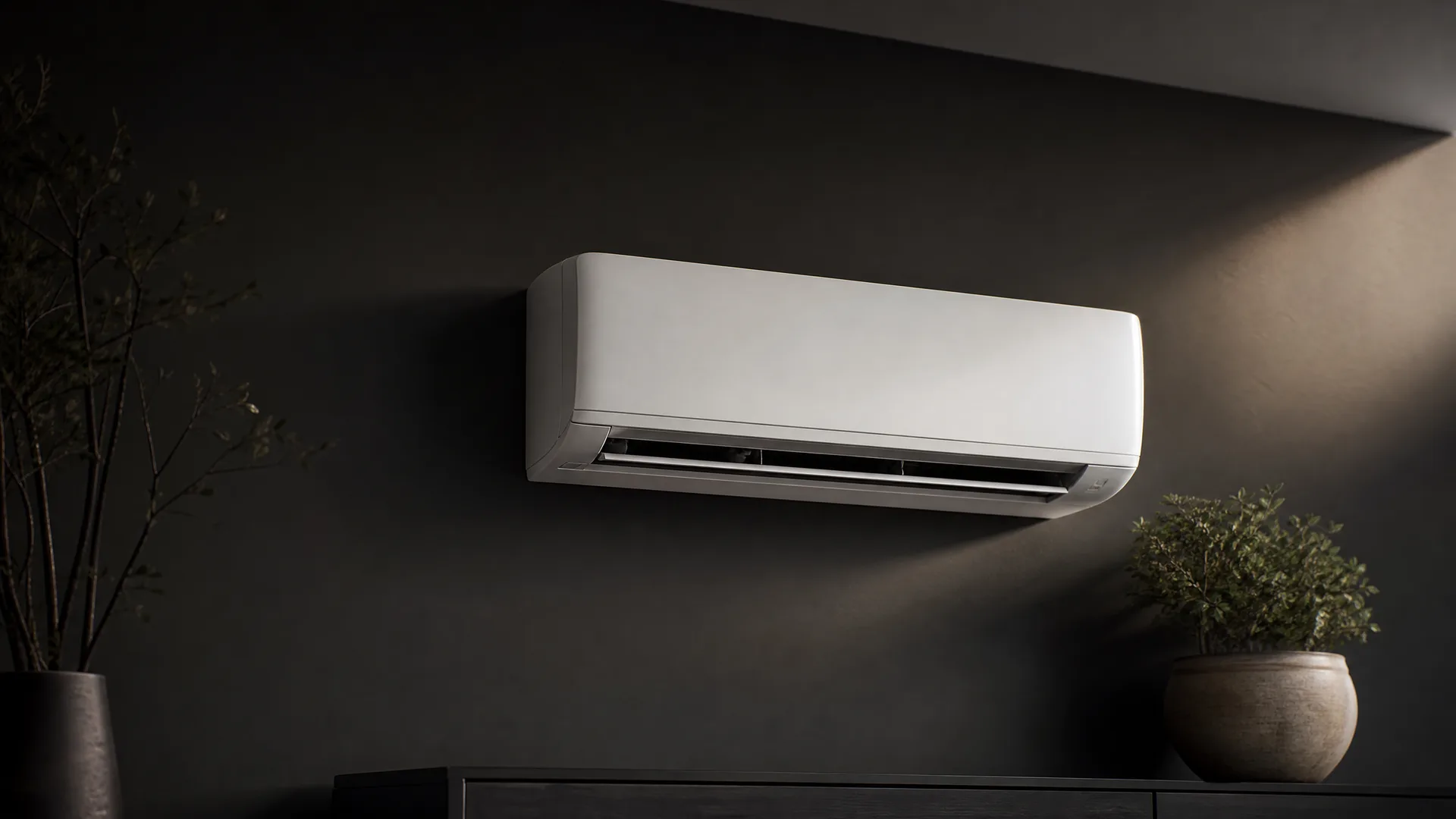
A white wall-mounted mini-split air conditioner on a dark gray interior wall, with potted plants on either side and a dark cabinet below.

Get your mini split to the right pro

Step 1 of 3: Equipment